

As a supplier of prefabricated modular substations, I've spent years working with site operators, maintenance teams, and project managers to understand one common question: "How do I keep these compact, pre-wired substations running reliably for decades?" Prefabricated modular substations (PMSS) are designed for speed, safety, and space efficiency-ideal for remote industrial sites, renewable energy farms, urban redevelopment projects, and data centers. But like any electrical infrastructure, they require targeted, proactive maintenance to avoid unplanned outages, extend their lifespan, and ensure compliance with global electrical safety standards. Over the years, I've seen firsthand how skipping even small maintenance steps can lead to costly downtime, so let's break down exactly what's needed to keep your modular substation performing at its best.

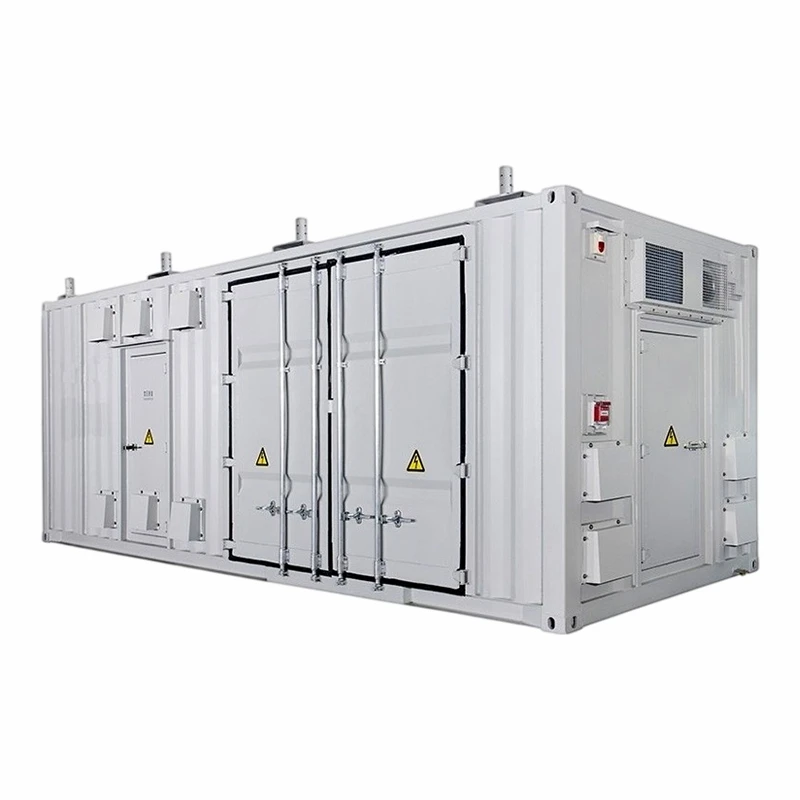
First, it's important to remember that PMSS differ from traditional stick-built substations. They're factory-assembled in a weatherproof, skid-mounted (or containerized) unit, with all components-transformers, switchgear, protection relays, and cooling systems-integrated before delivery. This design cuts on-site installation time by 50% or more, but it also means maintenance follows a structured, modular approach tailored to each component's placement and accessibility. Whether you're operating a high-voltage unit like the 33kV Containerized Substation, a medium-voltage solution like the 22kV Modular Packaged Substation, or a low-voltage unit for auxiliary power, the core maintenance framework remains consistent-with adjustments for voltage class and environmental conditions.
Let's start with routine, scheduled maintenance tasks that should be performed at set intervals, aligned with manufacturer guidelines and local electrical codes. For most PMSS, this is split into monthly, quarterly, and annual checks, with additional semi-annual or post-storm inspections for sites in harsh environments.
Monthly maintenance is the first line of defense, as small issues often present visible or measurable symptoms before they escalate. Begin with a visual walkaround of the modular unit, checking for any signs of physical damage: dents in the container walls, cracked sealant around doors or cable entry points, or loose bolts on the mounting skid. Even a ½-inch gap in the weather seal can let rainwater or dust enter, leading to corrosion on busbars or circuit breakers inside. Next, inspect the external components: for Modular Containerized Substation units, verify that ventilation grills (critical for cooling transformers) are free of leaves, dirt, or debris-clogged grills can cause overheating, even in mild climates. Then, take a quick check of temperature gauges for the transformer and switchgear inside the unit; a sudden 10% rise in operating temperature could signal a load imbalance or a failing cooling fan. Finally, for sites with remote monitoring, pull the latest data from your SCADA system to check for error codes on protection relays-these often flag issues like a misaligned current sensor before a trip occurs.
Quarterly maintenance adds a layer of electrical and functional testing that goes beyond visual checks. The most critical step here is a full insulation resistance test, which measures the ability of electrical components (cables, busbars, circuit breakers) to prevent current leakage. For medium-voltage units like the 6.6kV Modular Substation, this test should be performed with a 5kV megohmmeter, while higher-voltage units require a 10kV or 15kV meter. A reading below 1 megohm per kilovolt of system voltage is a red flag, indicating possible insulation degradation from moisture, dust, or age. Next, test all mechanical interlocks-these safety features ensure that you can't open a live switchgear door or connect a high-voltage cable to an energized busbar. Worn interlocks are a leading cause of electrical accidents, so test each one by attempting to perform a prohibited action (with power locked out, of course) to confirm it engages correctly. For transformer units, check the oil level and color: transformer oil should be clear and amber; dark, cloudy oil indicates moisture or contamination that needs immediate filtration or replacement.
Annual maintenance is a more comprehensive deep dive that should be scheduled during periods of low electrical demand (often in off-seasons for industrial or agricultural sites) to avoid disruption. Start with a full internal inspection of the Modular Prefabricated Substation unit (ensure power is fully locked out and tagged out before entry!). Clean all components: use dry, lint-free cloths to wipe down busbars and circuit breakers, and use compressed air (at less than 30 PSI to avoid damaging components) to blow out dust from switchgear cabinets. Corrosion is a major issue for modular substations, especially in coastal or industrial areas with high salt or chemical exposure-if you notice rust on steel components, use a wire brush to remove surface rust, apply a rust converter, then touch up with heat-resistant paint rated for electrical equipment. Next, calibrate all protection relays, including overcurrent, earth fault, and differential relays. Misaligned relays are one of the top causes of unnecessary power trips, which can disrupt manufacturing processes or critical infrastructure like water treatment plants. For transformer units, perform a oil quality test: this includes testing dielectric strength, moisture content, and acidity. If moisture content exceeds 30 ppm or dielectric strength drops below 25 kV, the oil needs to be processed or replaced. Finally, test the grounding system-this ensures that in the event of a fault, excess current is safely directed to earth, preventing damage to equipment and personnel. The grounding resistance should measure less than 5 ohms; if it's higher, check for loose ground connections or corrosion on ground rods.
Beyond these scheduled tasks, there are proactive measures that go a long way in extending the life of your prefabricated modular substation, particularly for sites in extreme environments. For sites in desert or industrial areas with high dust, install additional filter elements in ventilation grills, and schedule bi-monthly filter changes to prevent dust buildup. For coastal or high-humidity sites, apply a conformal coating to circuit boards and busbars to resist corrosion, and inspect weather seals every six months rather than annually. For sites in cold climates, ensure the transformer's cooling system is rated for low temperatures-many PMSS include heating elements for the transformer oil during winter, so test these elements annually before the first freeze.
It's also important to tie maintenance to the design of your specific modular substation. Unlike traditional substations, PMSS are pre-configured, so your supplier should provide a detailed maintenance manual tailored to your unit's components. For example, a 33kV Containerized Substation has larger, higher-voltage components that require more frequent insulation testing than a smaller 6.6kV Modular Substation for auxiliary power. As a supplier, I always emphasize that customizing maintenance schedules to your unit's voltage, environment, and usage is far more effective than a one-size-fits-all approach.
I've also seen that many operators overlook the importance of training their maintenance teams. Modular substations are compact, so working inside requires attention to spatial safety-for example, ensuring there's adequate clearance around energized parts to meet NFPA 70E standards. Investing in hands-on training for your team, including how to safely open unit doors, perform lockout/tagout procedures, and use specialized testing equipment, reduces the risk of accidents and ensures maintenance tasks are performed correctly.
Finally, when issues do arise, addressing them promptly is key. A small fault in a connection can escalate to a transformer failure or a switchgear arc flash if left unaddressed. Many modern modular substations include remote monitoring capabilities that send real-time alerts for temperature, current, and voltage irregularities-use these tools to catch issues before they cause downtime.
If you're looking to invest in a prefabricated modular substation, or need guidance on tailored maintenance for your existing unit, our team is here to help. We work with a wide range of configurations, from compact auxiliary units to high-voltage containerized solutions, and can provide custom maintenance plans, component training, and 24/7 support for remote sites. Whether you're a project manager specifying a new substation or a maintenance supervisor looking to optimize your current setup, we can partner with you to ensure your substation runs reliably for years to come.
References:
- National Electrical Contractors Association (NECA). (2022). Maintenance Guidelines for Prefabricated Modular Electrical Substations. NECA Publications.
- International Electrotechnical Commission (IEC). (2021). Standard IEC 62271-200: High-Voltage Switchgear and Controlgear – Part 200: AC Metal-Enclosed Switchgear and Controlgear Assemblies. IEC.
- Occupational Safety and Health Administration (OSHA). (2023). Lockout/Tagout Standard (29 CFR 1910.147) – Electrical Equipment Maintenance. OSHA.
- IEEE Power & Energy Society. (2022). Substation Maintenance Practices for Prefabricated Modular Units. IEEE Transactions on Power Delivery.
- National Fire Protection Association (NFPA). (2021). NFPA 70E: Standard for Electrical Safety in the Workplace. NFPA.