

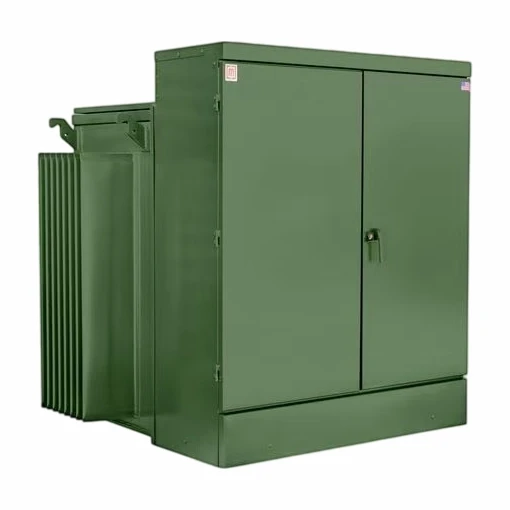
If you've ever stood on a street corner and stared at that big, green locked box on a concrete pad near a strip mall or residential neighborhood, chances are you're looking at a three-phase combination transformer. I'm not here to throw a bunch of jargon at you that'll make your eyes glaze over-let's break this down like we're chatting over coffee, since I'm a combination transformer supplier who's spent the last 12 years fielding questions from electricians, property managers, and even folks who just had one installed in their backyard.
First, let's start with the basics: what a "combination transformer" even is, before we layer on the "three-phase" part. A lot of people mix up regular transformers with combination ones, right? A standard transformer just moves electricity from a higher voltage (like what comes from the power lines) to a lower, safer voltage for homes and businesses. But a combination transformer? It's like a Swiss Army knife for power. It doesn't just do the voltage conversion-it packs all the extra gear you need to keep that power flowing safely and reliably into one single, compact unit. No more hunting for separate fuses, switches, or meters scattered around a yard or utility pole. That's why these are such a workhorse for modern power grids.
Now, three-phase. If you've ever wondered why your local coffee shop can run an espresso machine, a fridge, and a whole bunch of lights without flickering, that's three-phase power doing its thing. Unlike single-phase power (which is what powers your house's outlets and lighting), three-phase power delivers electricity in three separate, overlapping currents. That makes it way more efficient for larger loads-think restaurants, apartment buildings, manufacturing plants, or even those big apartment complexes with central AC. So a three-phase combination transformer? It's the upgrade of the combination design built specifically to handle that steady, heavy three-phase power without breaking a sweat.
Wait, let's talk about where these usually live because that's the easiest way to spot them. Most three-phase combination transformers are pad-mounted, right? They sit on a concrete pad at ground level, which is way easier to access than a pole-mounted unit (trust me, climbing a 30-foot pole to fix a transformer is not anyone's idea of a good time). If you want to see exactly what I'm talking about, check out this Padmount Transformer page-we've got photos, specs, and even case studies of how these work for everything from 10-unit apartment buildings to small retail centers. A lot of our customers call these "American box transformers" too, and honestly? That's such a relatable nickname. If you're driving through a neighborhood and see that big green box on a pad, you're looking at an American Box Transformer that's powering those homes.
Let's get into the real-world benefits because that's what matters most, not just specs. First, safety. Since all the components are enclosed in that tight steel box and sitting on a pad, there's no exposed wiring that could get damaged by rain, snow, or curious critters. That's a huge win for utilities and property owners-less chance of a short or a power outage that could close a business for a day. Then there's reliability. Three-phase combination transformers are built to handle consistent heavy loads, so if you have a restaurant that runs a big oven, a fridge full of food, and indoor lighting all at the same time, this transformer won't struggle like a smaller unit might. And because everything is in one unit, installation is way faster. Instead of having to bring in separate equipment for fuses, switches, and metering, our customers can hook up one single unit and call it a day-saves time and money on labor, which everyone loves.
Wait, let's clear up a common misconception: people think three-phase transformers are only for big industrial jobs, but that's not true. Sure, we make units for factories, but we also make them for 15-unit apartment buildings, community centers, and even small shopping plazas. For example, our 2500kVA model is one of our most popular three-phase combination transformers, and it's perfect for larger commercial spaces. If you need something that can handle a ton of power without taking up a ton of space, take a look at our 2500kVA Pad Mounted Transformer page-we walk through exactly what this model can do, and it's been installed everywhere from grocery stores to office parks across the country.
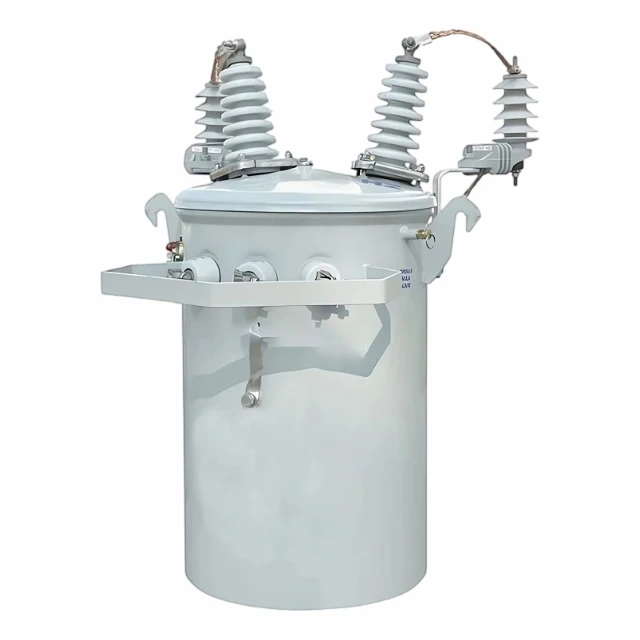
Now, how is this different from a single-phase overhead pole transformer? That's another question we get all the time. A single-phase overhead pole transformer is what you'd see for a single family home-smaller, hangs on a pole, designed for lighter loads. Three-phase combination transformers are bigger, ground-mounted, built for multiple users or heavier power needs. The Single Phase Overhead Pole Transformer is great for your average house, but when you have a business that needs to power multiple high-demand appliances, you need that three-phase setup. It's like the difference between a regular car and a pickup truck-both get you where you need to go, but one's built to carry more weight.
Let's talk about what's actually inside one of these units, just to give you a sense of why they're so versatile. A standard three-phase combination transformer has the core and windings (that's the part that does the voltage conversion), plus disconnect switches, fuses, surge protectors, and a power meter-all sealed up in that weatherproof steel enclosure. The combination power transformer line, in particular, is designed with extra safeguards to keep power flowing even if there's a minor issue on the grid. We've built in features that make maintenance easier too-most of our units have lockable access panels so electricians can check parts without having to dismantle the whole thing, which cuts down on repair time. If you want the full breakdown of what goes into these, our Combination Power Transformer page has all the details, from voltage ratings to temperature controls, and we update it every year to include the latest safety standards.
I should also mention why this matters for the power grid as a whole. More and more people are adding electric vehicles (EV chargers at homes and businesses), solar panels, and other energy-intensive tools, so demand for reliable, high-capacity power is only going up. Three-phase combination transformers are built to handle that growing demand without needing a full grid overhaul. Utilities love these units because they're easy to deploy-they can be installed in a day or two, as opposed to weeks for older, custom setups. Property managers love them because they reduce downtime, which means less lost revenue if a store has to close because of a power outage.
Now, I know what some of you are thinking: "Do I really need this, or is a regular transformer enough?" Let's put it this way: if you're powering a single home, a single-phase pole transformer is probably all you need. But if you're a property manager with a multi-unit building, a restaurant, a retail space, or any business that uses a lot of power at once, a three-phase combination transformer is the way to go. It's not just about power-it's about efficiency, safety, and peace of mind that your power will be there when you need it.
As a combination transformer supplier, I've worked with everyone from small business owners just getting started to large utility companies upgrading entire neighborhoods. The most common feedback I get is that these units save people time, money, and stress. No more dealing with multiple vendors for different power components, no more unexpected outages, no more climbing poles in the middle of a snowstorm to fix a problem. That's the kind of value we care about at the end of the day.
If you're in the market for a three-phase combination transformer, or you just have more questions about which unit is right for your project, we're here to help. We don't do one-size-fits-all, so we can walk through your power needs, space constraints, and budget to find the perfect fit. Whether you need a small unit for a 5-unit apartment building or a heavy-duty model for a large industrial site, we've got options.
Ready to chat through your needs, get a quote, or just learn more about our products? Reach out to our team anytime. We're always happy to break down the details, show you real-world installations, or answer any questions you have-no jargon, no pressure, just straight talk about power solutions that work for you.
References
- North American Electric Reliability Corporation (NERC). (2022). Distribution Transformer Technology and Grid Reliability. Retrieved from NERC.org
- U.S. Department of Energy. (2021). Three-Phase Power Applications for Commercial and Industrial Sites. Retrieved from Energy.gov
- Institute of Electrical and Electronics Engineers (IEEE). (2020). Standards for Pad-Mounted Combination Transformers. Retrieved from IEEE.org